

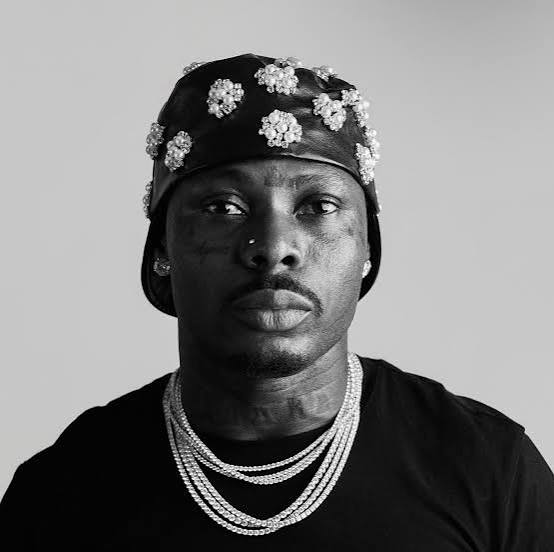
Mr Money Is Gone: Asake’s Evolution Headlines A Defining Grammy Year For Nigerian Music
Asake’s relationship with success is particluarly interesting. When Ahmed Ololade first began commanding attention under the name Mr Money, the identity felt inseparable from the music. His sound was loud, unapologetic and deliberately infectious, built around Fuji influences, street-pop sensibilities, Yoruba expressions and an instinctive understanding of what makes people move. It was the sound of an artist who knew exactly what he wanted to communicate. Four years later, however, Mr Money feels like a character from an earlier chapter. Not because the ambition has disappeared, but because the artist behind it has grown beyond the identity that introduced him to the world.
The 2027 Grammy nominations offer an interesting snapshot of that evolution. As the Recording Academy announced its nominees for the 69th Annual Grammy Awards, Nigerian music once again occupied a considerable portion of the international conversation. Six Nigerian artists, Asake, Wizkid, Tems, Ayra Starr, Davido and Burna Boy, earned recognition across multiple categories, with Asake emerging among the central figures of the announcement after securing two nominations for Best African Music Performance. His solo recording, Gratitude, earned one nomination, while Jogodo, his collaboration with Wizkid, secured another. It is a significant moment for an artist whose career has been defined by an unusually consistent ability to turn cultural familiarity into international appeal.
But the nominations are only part of the story. Asake has been having a remarkable year, one that suggests his ambitions are no longer confined to maintaining his position within Afrobeats. In January, he joined Wizkid for REAL, Vol. 1, a collaborative project that brought together two distinct generations and approaches to Nigerian popular music. In May, he released M$NEY, his fourth studio album and first full-length project under his independent imprint, GIRAN Republic, in partnership with EMPIRE, following his departure from YBNL Nation. The project represented another important step in his development, both creatively and professionally. Rather than simply reproducing the formula that made him successful, Asake began exploring a wider musical vocabulary, incorporating orchestral arrangements, choral elements, jazz influences and amapiano into a sound that still retained its distinctly Nigerian character.

The album’s title is particularly interesting when considered alongside the identity that first made him famous. Mr Money was once the declaration; M$NEY feels more like a statement about what happens after the declaration has been made. There is a difference between introducing yourself to the world and establishing what you intend to do with the position you have earned. Asake appears increasingly interested in the latter. His June performance at London’s Theatre Royal Drury Lane, staged with an orchestra and a live ensemble, offered a striking example of that ambition. The subsequent M$NEY Live in London concert film and audio release extended the project beyond its original studio form, presenting his music in a setting that demanded a different kind of performance. It was not simply another concert appearance. It demonstrated an artist interested in reimagining the possibilities of his own catalogue.
This is why Gratitude receiving Grammy recognition feels particularly fitting. The recording carries elements of the sound that initially established Asake, but its presence within the wider M$NEY project also reflects an artist who has become more comfortable allowing musical expression to extend beyond the expectations attached to his name. His second nomination, through Jogodo, further demonstrates the reach of his collaborations. Working alongside Wizkid places him in conversation with another Nigerian artist whose international standing has been built over more than a decade. The two nominations also represent different dimensions of Asake’s career: his ability to stand independently and his capacity to contribute meaningfully to a collaboration.
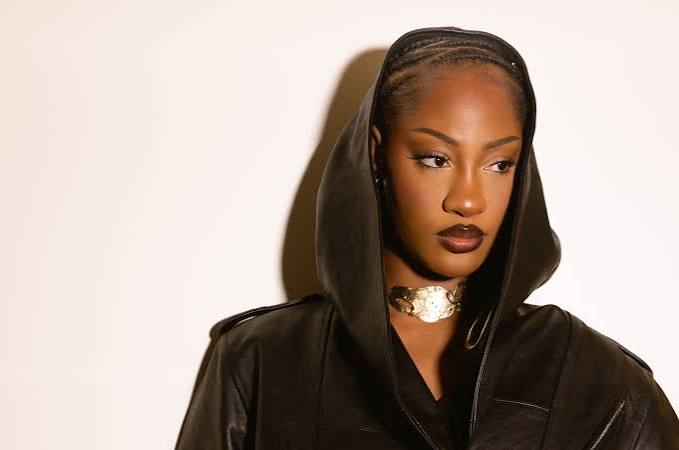
Elsewhere, Tems continues to demonstrate why her career cannot be contained within one musical category. She leads the Nigerian contingent with four nominations, earning recognition for Big Daddy in Best African Music Performance, Love Is a Kingdom in Best Global Music Album, and What You Need in both Best R&B Solo Performance and Best R&B Song. Her nominations are particularly significant because they reflect an artist whose songwriting, vocal approach and musical instincts have established a presence across different corners of the international industry. Following her previous Grammy wins, including Best African Music Performance for Love Me JeJe in 2025, Tems is increasingly building a body of work that exists comfortably within both African and global musical conversations. Her latest recognition reinforces that position.
Ayra Starr is also continuing to expand her artistic identity. Her collaboration with Beninese music legend Angélique Kidjo, Aye Kan (Are You Coming Back?), earned a nomination for Best African Music Performance, while her album Starrgirl received recognition in Best Global Music Album. There is an interesting generational conversation within this particular pairing. Kidjo represents a generation of African musicians who spent decades creating international pathways for African music, while Ayra Starr belongs to a generation experiencing a different relationship with global audiences, one shaped by streaming platforms, international collaborations and a more interconnected music industry. Their nomination brings those two experiences into the same recording.

Davido’s nomination for Oriadé in Best Global Music Album adds another dimension to Nigeria’s showing. Having spent years building an international career through collaborations, touring and an extensive catalogue, Davido’s recognition demonstrates the continuing relevance of his album-making ambitions. His nomination also places him alongside Tems and Ayra Starr in a category where Nigerian projects are competing for international recognition as complete bodies of work, rather than individual songs alone.
For Burna Boy, the recognition comes through Dìá Dìá, his collaboration with Colombian superstar Shakira, nominated for Best Global Music Performance. It is another example of the international conversations African artists are increasingly participating in without necessarily abandoning the musical identities that brought them there. Wizkid, meanwhile, earns recognition through Jogodo, adding another Grammy nomination to a career that already includes a 2021 win for his contribution to Beyoncé’s Brown Skin Girl. Although his latest recognition comes through a collaboration with Asake, his presence remains an important part of Nigeria’s continued Grammy story.
There is also something worth considering about the Best African Music Performance category itself. Nigerian artists appear on four of its five nominated recordings, Asake’s Gratitude, Jogodo with Wizkid, Tems’ Big Daddy, and Aye Kan (Are You Coming Back?) by Ayra Starr and Angélique Kidjo. The remaining nomination belongs to Ghanaian musician King Ayisoba, featuring Rocky Dawuni, for No Tradition, No Africa. That distribution is significant, but it should also invite a broader conversation about African representation. The continent’s musical identity extends far beyond Afrobeats, and the presence of Ghanaian traditional musical influences alongside contemporary Nigerian recordings offers a reminder of the diversity the category is intended to recognise.
What makes this particular Grammy cycle interesting is not simply the number of Nigerian names on the list. It is the different positions these artists now occupy. Tems is moving between African music and contemporary R&B. Ayra Starr is building bridges between generations and musical traditions. Davido continues to develop his international album catalogue. Burna Boy is extending his collaborations across continents, while Wizkid remains an established presence in the global industry. Asake, meanwhile, is navigating the transition from an artist whose identity was built around an immediately recognisable sound to one increasingly interested in the possibilities beyond it.
Perhaps that is the more compelling story behind his two nominations. Asake has already experienced the kind of commercial success that many artists spend entire careers pursuing. He has released four studio albums in four years, established an independent imprint, collaborated with some of the biggest names in African music and taken his performances into increasingly ambitious spaces. Yet there is a sense that his most interesting development is not necessarily how much further he can take the sound that made him famous, but how much further he can take himself as an artist. Mr Money introduced us to Asake. M$NEY suggests that he is no longer interested in being defined by that introduction.
The 69th Annual Grammy Awards will take place on February 7, 2027, at the Crypto.com Arena in Los Angeles. Whether the nominations translate into wins remains to be seen. But for Nigerian music, the significance of this year’s representation is already worth examining. These artists are not all telling the same story, nor are they following identical paths to international recognition. What connects them is the growing ability to occupy global musical spaces on their own terms.


