

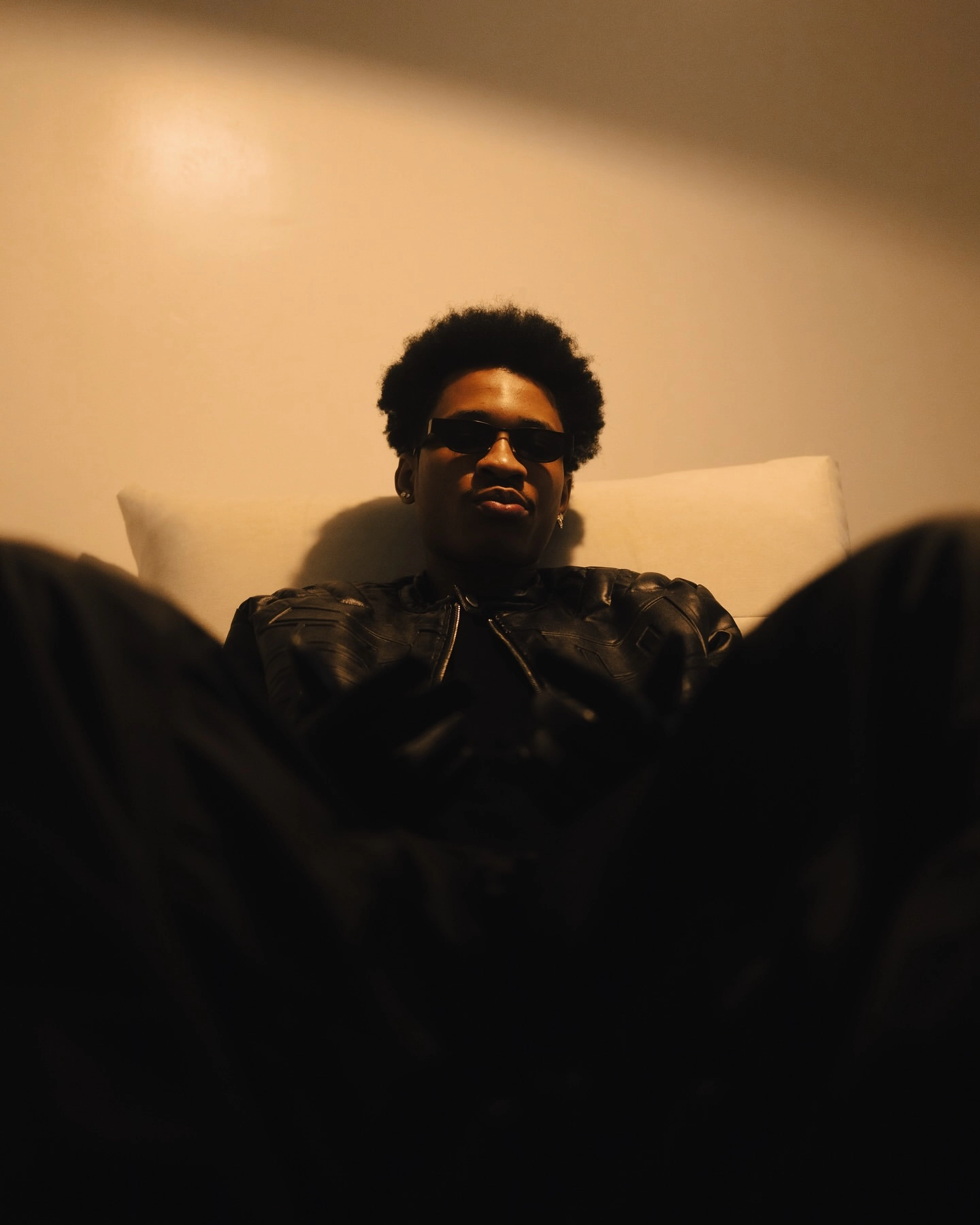
Patience, Pops and the Guitar: Baby Boy AV on the Long Way Home
Before the streams, before Big Thugs Boy turned into a room full of strangers singing his words back at him, there was a boy in Benin City learning a lesson nobody could fast-track him through. Baby Boy AV, born Adindu Victor, does not tell that story with any of the drama the industry usually demands of an origin myth. He tells it the way a man tells a story he has already made peace with. Just a normal guy, trying to work his way like everyone else.
That plainness is deceptive. Behind it sits a career built on the kind of patience that gets talked about far more than it gets practised. There was a period, before the hits, when AV was squatting at Victor AD’s home, waiting for a career that had not yet decided to arrive. He does not romanticise it. He does not need to. When he says the lesson from that stretch was patience, and that patience is all any of them really have in this game, it lands as something closer to doctrine than nostalgia.
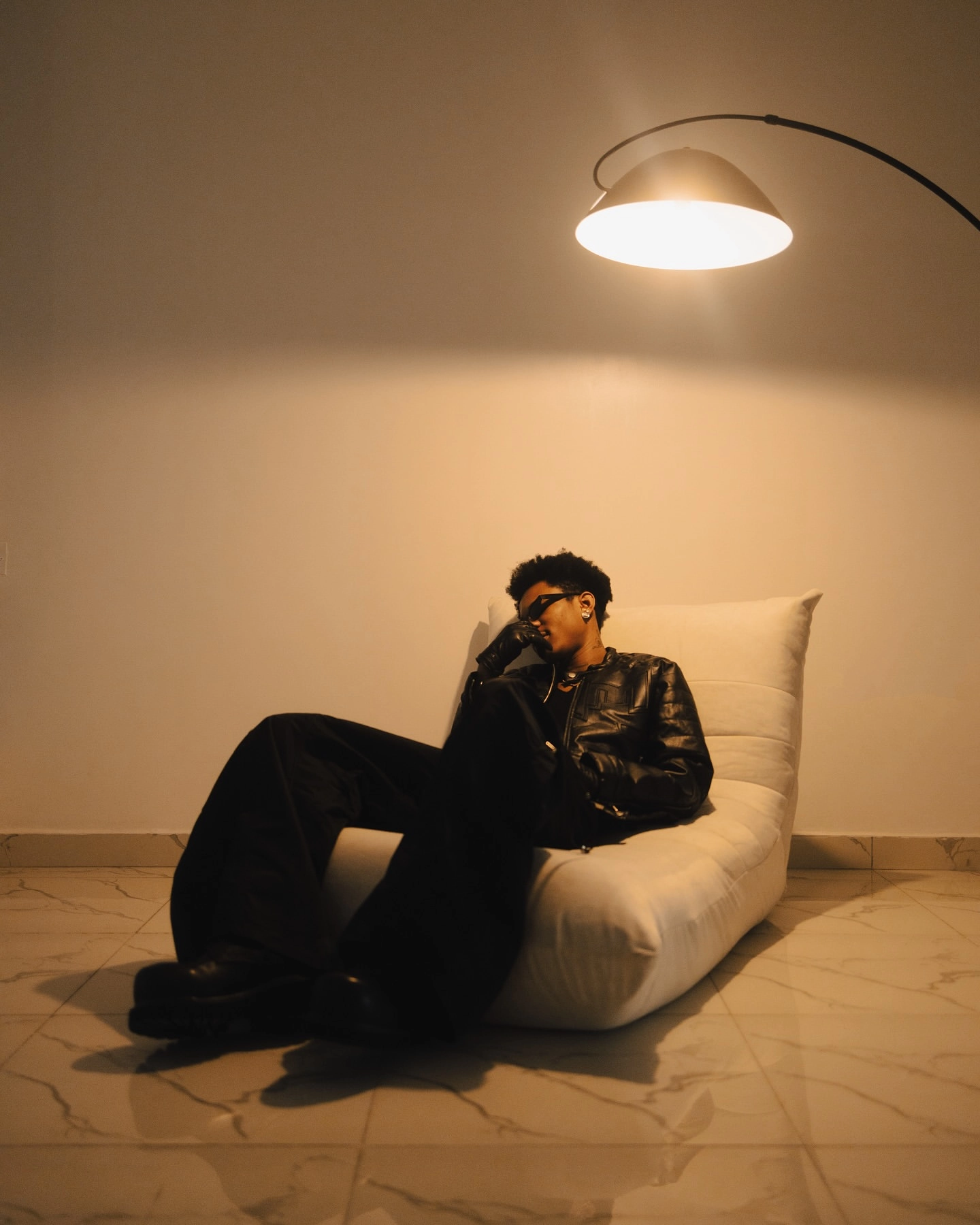
Photo|Supplied
Big Thugs Boy did what breakout records are supposed to do. It introduced him to an audience wider than the one that already knew him, and it exposed, in the way early fame always does, how little of the industry he had actually understood before it found him. He talks about learning everything from scratch once the love that got him into music met the machinery around it. God first, then the team, then the fans who kept the whole thing moving. It is a simple hierarchy, but it is his, and he has not deviated from it.
His sound draws its tension from two households of feeling. Edo and Igbo, his mother’s ground and his father’s, sit inside the same records without competing for space. His father, a guitarist, gave him more than an instrument to lean on. The influence runs through everything AV makes now, not as a technique borrowed but as a temperament inherited. It is why he keeps returning to the same word when asked what any of this is for, home. Africa, pushed outward, not explained to anyone who was not already listening.
Between Big Thug Boys and the follow-up project Baby Love, AV found the gap every artist eventually has to stand in, between the record that people respond to immediately and the one that actually reflects where they are as a creative. He does not resolve that tension so much as work inside it, treating experimentation as part of the job rather than a risk to be managed. Ghana, and the collaborations that have carried him across the continent since, taught him something closer to a worldview than a career move, that African music, however it gets marketed by region, is ultimately one conversation. He calls it love. He is not being sentimental. He means it as description.
Pressed on what he would want history to say once the streaming numbers and the charts fall away, AV does not reach for legacy language. He wants to be remembered as the good guy. In an industry that rewards spectacle, that is close to a radical answer. It is also, going by everything else he says, the most honest one available to him.
FrontPage Nigeria caught up with Baby Boy AV to talk about the journey from Benin City, the influence of his father, the discipline behind Big Thug Boys, and what is coming next.
For someone encountering Baby Boy AV for the first time, beyond the music, the hits and the image, who is the person behind the artist? What experiences have shaped him, and what do you want people to understand about you from the beginning?
Behind the music, it’s still AV. Adindu Victor. Just a normal guy trying to work his way like everyone else.
Your journey begins in Benin City and evolves into becoming one of the most recognisable voices in Afrobeats, through both breakthrough moments and difficult periods. How has that journey changed your understanding of what it actually takes to build a lasting career in music?
With the lessons that come with it. With every blessing comes a lesson, and we’re only meant to learn from every lesson, get better and do better with whatever we’re doing. That’s how it has taught me, and that’s how I’ve glided through the whole thing.
You’ve spoken about the period when you were squatting at Victor AD’s home while waiting for your career to take shape. Looking back at that version of yourself, what did that difficult period teach you about ambition, survival and the person you wanted to become?
It taught me patience. It’s nothing but patience in this game. All we have is time. You just have to be patient and do your thing, be yourself. That’s it.
Big Thug Boys became the song that introduced you to a much wider audience. After experiencing that level of recognition relatively early in your career, what did success expose about the music industry that you hadn’t understood before?
We had to learn everything, basically. When we went into the game it was just for the love of it, and with fame come lessons, like I said. We just learned.
How did you navigate the challenges you faced as a new artist figuring things out in the industry?
With the help of God first, and my team also. We navigate any situation together, and with the support of the fans. That’s how it’s supposed to be.
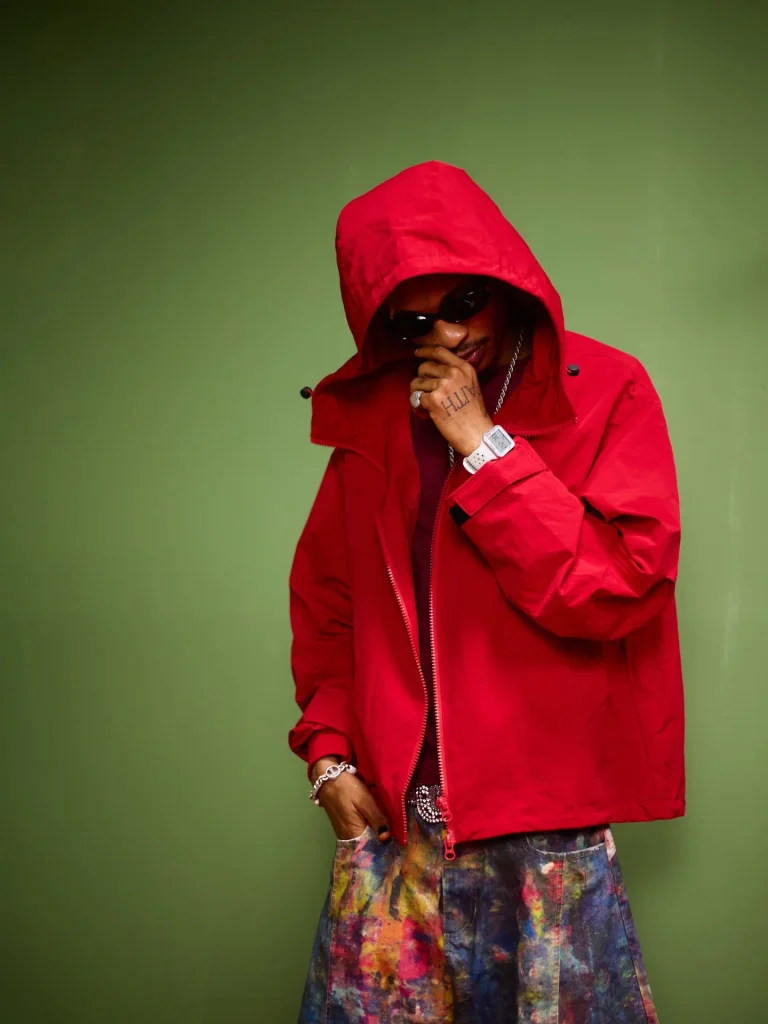
Photo|Supplied
Your sound draws from Afrobeats, Dancehall and Afrofusion, while your upbringing was shaped by both Edo and Igbo cultural influences. How have those different cultural identities influenced the way you approach your music and the stories you choose to tell?
I’m African, full African, Nigerian to be precise. I was born in Edo State, and that’s where the influence has been, the toughness of the grind, growing up. My dad is from the Igbo side. So we’ve been in both cultures, and we basically learned everything straight from home. It’s just our music, because this is all we know, home, Africa. We try to push that out to the world and hope the fans find their way around it. It’s about pushing the culture, what we know from home.
Your father was a guitarist and played an important role in your early relationship with music. As your career has developed, how has his influence evolved from simply inspiring you to become a musician, to shaping what kind of artist you want to become?
Shout out to my pops. He was a guitarist, and it’s been a great influence, of course. Since then, it’s always a guitar in everything I do, because it’s my favourite sound. You can tell the influence it’s had on me. It’s cultural music, like I said, so we know it, and we’re basically pushing it out there.
After the momentum of Big Thug Boys, you released Baby Love and continued experimenting with your sound. What did that period teach you about the difference between making music people immediately respond to and making music that represents where you are creatively?
You’re learning at the end of the day, and you have to listen to your fans and do the music they want too. It’s about knowing when to make a hit song and when to keep it calm. Experimenting is key, it’s part of the whole process. You have to study the game and sometimes give the people the kind of music they want. That’s taught us a lot, and we’re just trying to push it out and do our best.
Your career is taking you beyond Nigeria, including performances in Ghana and collaborations across different African music scenes. What have those experiences taught you about the relationship between Nigerian music and the wider African audience?
It taught me that we are one. Africa as a whole, we are one. We make one type of music, it’s called African music, it’s called love. Creating with my brothers around the world has been amazing. It’s taught me a lot about different cultures and how they love their sounds. It’s about learning at the end of the day, and we’re happy to bring the music to the people every time.
There’s often pressure on Afrobeats artists to reproduce the sound or formula that first made them successful. How do you balance giving your audience what they’ve come to love about Baby Boy while still allowing yourself to change, take risks and outgrow your earlier identity?
It’s basically authenticity. You just have to be yourself, be real, stay true to what you started with. That’s the real music. Music is spiritual, so you don’t play around with it. You let music do its thing sometimes. That’s it, basically.
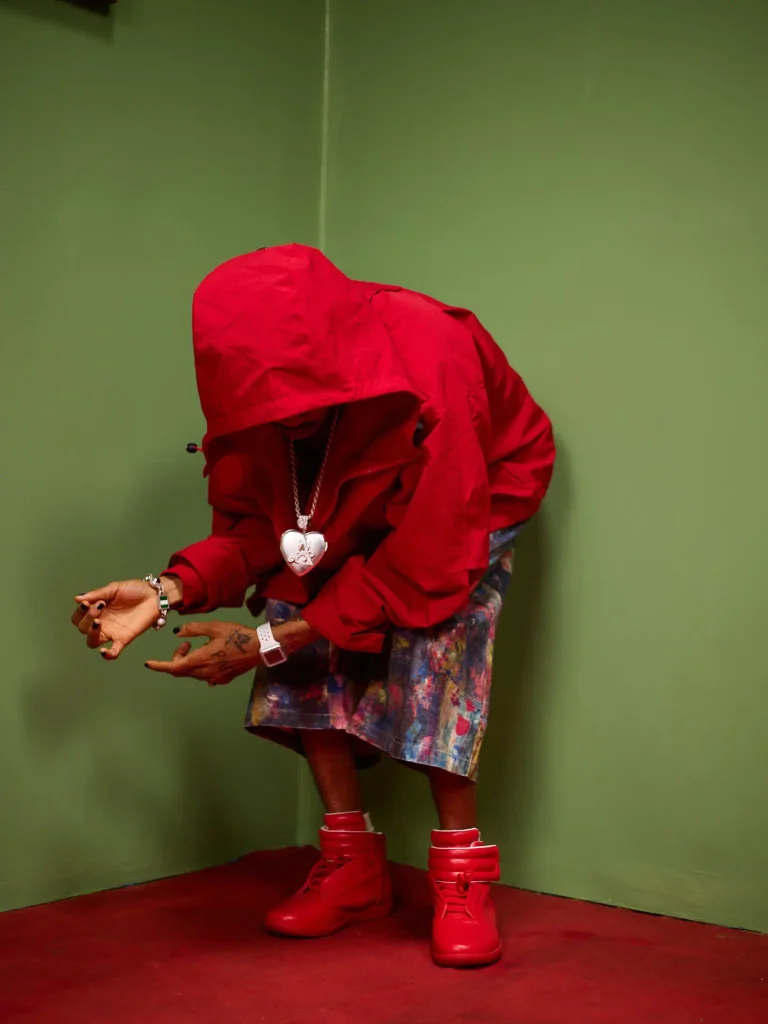
Photo|Supplied
If we stripped away the streams, the charts, the performances and the expectations of the industry, what would you want your legacy to say about the person you were and the kind of artist you became?
Just the good guy. History tells what it wants to tell at the end of the day. I just want to be on the good side, even though it’s crazy out here. That’s it, basically. Positivity at the end of the day. It’s a lot coming. Tell the fans to stay tuned, new music, new tunes. My people out there, Africa, East Africa, Ghana, Nigeria, it’s just love. Stay tuned, a lot of music coming, real soon. Love you guys so much.


