

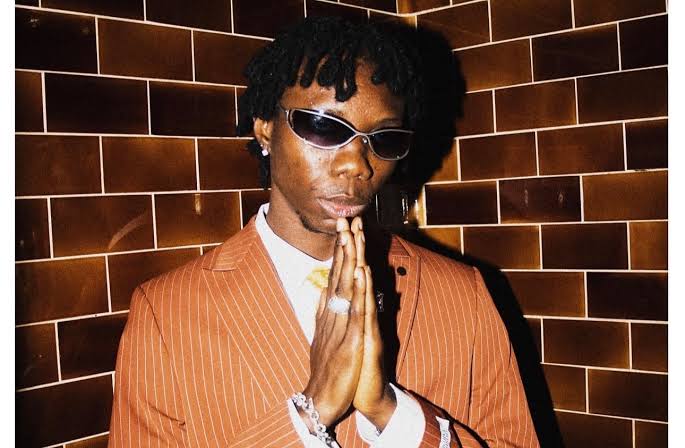
Consistency Is Its Own Kind of Confidence: Blaqbonez Enters His NOMADINHO Era
Consistency will get you somewhere as an artist, but the real test is what you do when you finally arrive at the place you have spent years trying to reach. For Blaqbonez, that destination is no longer just about proving that he can rap. It is about discovering how far his artistry can travel without losing the ambition that got him here.
Nigerian hip-hop has watched him build a career around personality, technical ability and an almost confrontational confidence. Now, with his first No. 1 on the Official Nigeria Top 100 through “CHANEL,” his collaboration with Asake, Blaqbonez has a new kind of validation. NOMADINHO: 4TH PRIME, his fifth studio album, feels like a document of an artist attempting to turn that breakthrough into a lasting position. The question is no longer whether he can command attention, but what he intends to do with it.
Across 15 tracks, Blaqbonez makes a compelling case for versatility as a career strategy. Released through Chocolate City Music, the album follows No Excuses and its April 2026 deluxe edition, continuing a release schedule that keeps his name within the conversation. There is a particular discipline in this approach. Every new project becomes another opportunity to refine his identity, test his audience and expand the boundaries of what people expect from him. Yet consistency alone does not guarantee evolution.
An artist can remain visible without moving forward, releasing music without giving listeners a reason to revisit it. What makes NOMADINHO: 4TH PRIME interesting is the tension between these possibilities. Blaqbonez is moving with the urgency of someone who understands that momentum is difficult to manufacture twice, while exploring a sound that places him closer to the centre of Nigeria’s Afrobeats economy.
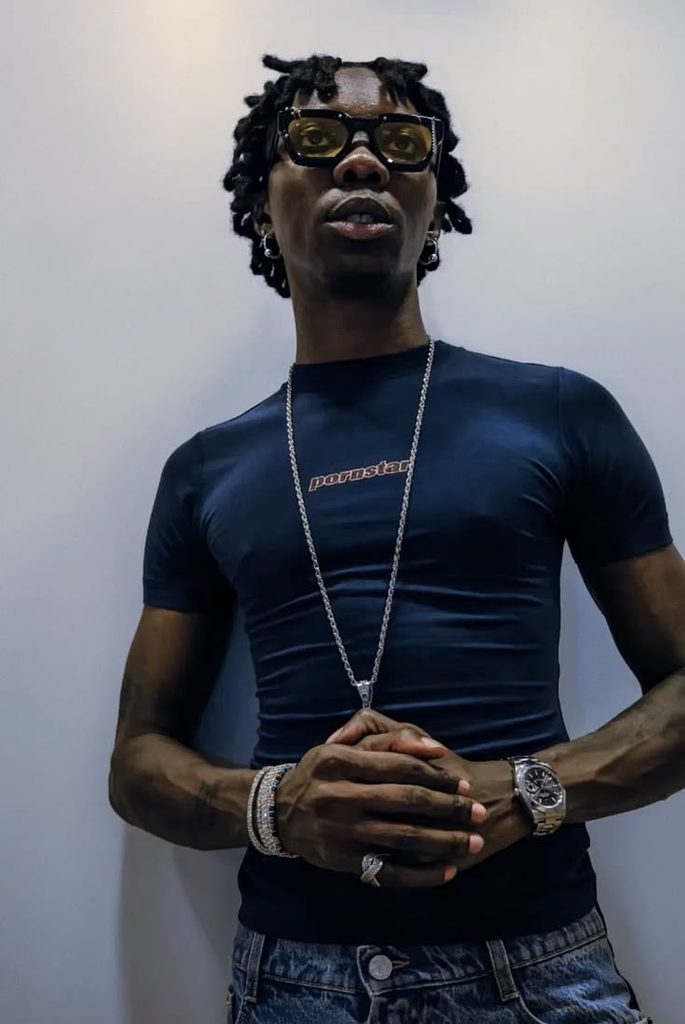
The presence of Asake is central to that conversation. Appearing on both “CHANEL” and “IKEBE 3000,” he represents more than a high-profile guest on a tracklist. Their partnership connects Blaqbonez’s rap-centred identity to an artist whose sound commands considerable commercial attention.
“CHANEL,” in particular, gives the album an advantage before listeners even press play, it arrives carrying the weight of a chart-topping record and the familiarity of a song that has already found its audience. There is a lesson here about the relationship between artistic ambition and strategic collaboration. Sometimes, reaching a wider audience requires recognising the strengths of another artist and allowing those strengths to meet your own.
The danger, however, is allowing commercial success to become the blueprint for everything that follows. A No. 1 record can open the door, but it cannot decide what kind of artist waits on the other side.
Beyond Asake, the album widens its reach through Victony on “YAHOOZE,” Ruger on “JUSTINA,” TML Vibez on “FINESSE YOU,” Monochrome on “FYP” and Igwe Aka on the opening track, “I LOVE THIS.” These collaborations create a broader picture of Blaqbonez’s musical instincts, placing established names alongside artists who stand to benefit from the visibility his platform provides.
The tracklist moves through the melodic textures and accessible rhythms that have become central to contemporary Afrobeats, with “CA$H EVERYDAY,” “BIG PERFORMER” and “MAZZA” helping establish its direction. There is a certain confidence in building an album around a network of voices rather than insisting that every moment belongs to one person. Still, the guest appearances invite a more demanding question, what remains unmistakably Blaqbonez when the features are stripped away? Collaboration can expand an artist’s world, but individuality is what gives listeners a reason to stay in it.
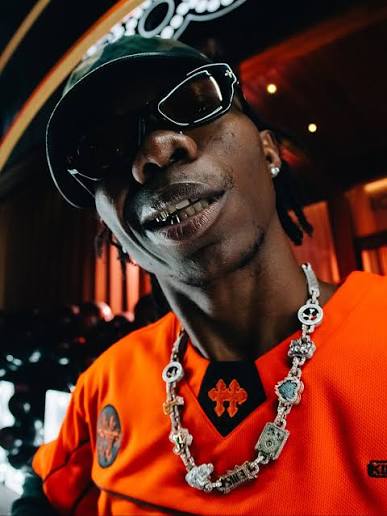
For listeners who first gravitated towards Blaqbonez for his sharper bars and irreverent approach to Nigerian hip-hop, NOMADINHO: 4TH PRIME presents a familiar dilemma. Growth often requires an artist to abandon the comfort of being understood in one particular way.
The rapper who once built his reputation on standing apart must now contend with the possibility that commercial acceptance could blur the distinctions that made him interesting. His movement towards Afrobeats is not necessarily a retreat from hip-hop; it may be an attempt to make the two worlds answer to each other. But that ambition demands more than a convincing beat or a successful feature.
It requires the kind of writing, perspective and personality that can survive changing production styles and shifting audience expectations. The album’s greatest test is therefore not whether it can reproduce the success of “CHANEL,” but whether its deeper catalogue can reveal dimensions of Blaqbonez that the hit record alone cannot explain.
Perhaps that is what makes NOMADINHO: 4TH PRIME an important marker in his career. Blaqbonez has spent years building towards wider recognition, and he now enters this chapter with a chart victory, a growing network of collaborators and a willingness to move beyond the boundaries of his earlier identity. Yet consistency is not simply the act of showing up repeatedly, it is the discipline of giving each appearance a purpose.
Five studio albums into his career, the challenge is to ensure that his evolution amounts to more than keeping pace with the industry. The title’s suggestion of a new prime carries its own expectation, that this is a period of arrival, but also of responsibility. With the groundwork laid by “CHANEL,” the next phase will depend on whether the remaining tracks can establish lives of their own. Blaqbonez has earned the attention. Now he must give it somewhere meaningful to go.


