


Shenseea and Asake Find Common Ground in the Art of Not Playing Along on “Playtime”
There is an interesting tension at the centre of “Playtime”, the new collaboration between Jamaican dancehall star Shenseea and Nigerian hitmaker Asake. Both artists approach relationships from different positions, but neither appears particularly interested in compromising their sense of self.
Featured on Shenseea’s CATALYST, the record takes the familiar frustrations of modern dating and turns them into an infectious exchange between two artists who understand the appeal of having the upper hand. Shenseea comes with the frustration of someone who has exhausted every opportunity to make things work, while Asake brings the confidence of someone whose priorities extend well beyond romance. Together, they create a record that is as playful in its delivery as it is direct in its message.

Shenseea wastes little time establishing her position. “This a situationship,” she declares, addressing the uncertainty of a connection that has offered more confusion than commitment. Her demand, “Come find me when your playtime’s over,” becomes the record’s defining statement, shifting the conversation away from chasing affection towards knowing when to walk away. There is a certain confidence in how she approaches the subject, particularly in her refusal to entertain the back-and-forth of an inconsistent partner.
Asake, on the other hand, enters with an entirely different disposition. His references to expensive cars, money and maintaining his own pace introduce a character seemingly more interested in enjoying life than negotiating the expectations of a relationship. His verse creates an interesting contrast with Shenseea’s, almost presenting two sides of a conversation that neither artist feels compelled to lose.

The production gives both personalities enough room to exist without competing for attention. With Sammy Soso, TSB and Supa Dups among the producers, “Playtime” brings together elements of Jamaican dancehall and West African Afrobeats through a rhythm that feels natural rather than calculated.
The percussion carries an easy bounce, the bass gives the record its weight, and the melodic arrangements allow both artists to move comfortably between their respective sounds. What makes the collaboration particularly enjoyable is the exchange of musical languages.
Shenseea incorporates Nigerian Pidgin into her delivery, while Asake leans into Jamaican patois, creating moments that feel like a genuine cultural conversation. Neither artist has to abandon their identity to meet the other halfway, and that is where much of the record’s appeal lies.
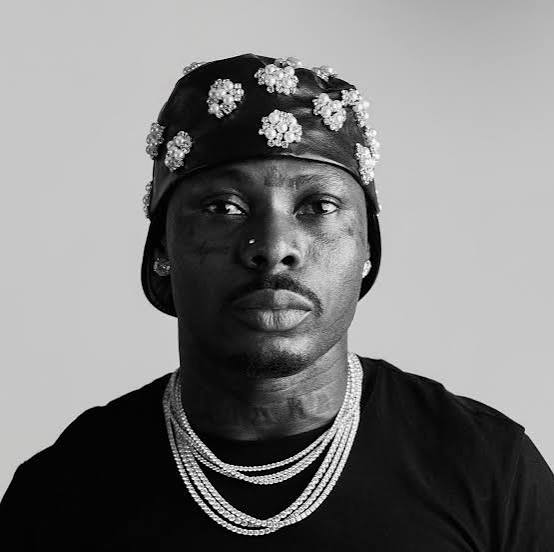
“Playtime” understands that a successful collaboration is not simply about bringing two recognisable names together. It is about finding something that allows both artists to contribute beyond their individual star power. Shenseea brings the sharpness, Asake brings the swagger, and the production gives their differences a common rhythm.
There is no attempt to turn the song into a serious examination of modern relationships; instead, it finds its strength in the humour, confidence and familiar frustrations of its subject. For Shenseea, it is another demonstration of her ability to move between dancehall, Afrobeats and international pop without losing her character.
For Asake, it is another opportunity to extend his sound into a different musical landscape. On “Playtime”, neither is particularly interested in playing by anyone else’s rules, and the chemistry between them makes that decision sound good.


