

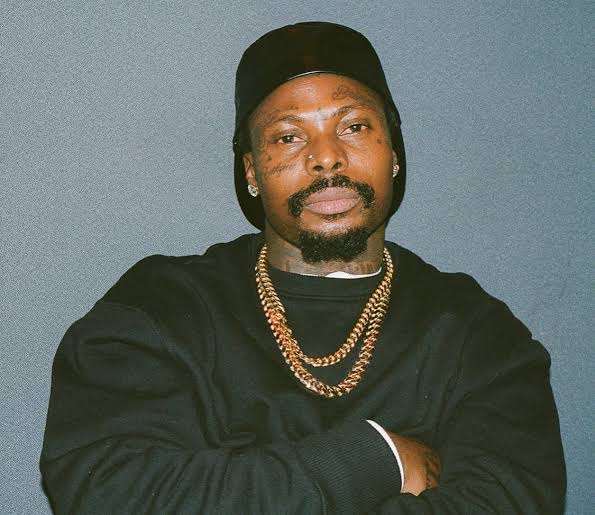
Asake at the O2: When a Concert Becomes a Measure of Cultural Power
There is a difference between being heard around the world and building a world that people want to be part of. On October 15, 2026, Asake returned to London’s O2 Arena for a third sold-out show, bringing approximately 20,000 people into a room where Nigerian music has become a language of collective expression. Yet the most revealing moment of the night was not the size of the crowd or the spectacle of the performance. It was a man crying as Asake closed the show with “Gratitude.”
Captured by another concertgoer, the footage travelled across social media the following morning. For a few seconds, the scale of the occasion became secondary to the intimacy of the reaction. A performer onstage, a song drawing to its conclusion, and a listener overcome by something the camera could record but not fully explain. It was a reminder that music’s international reach is ultimately measured in more than ticket sales. Its deeper currency is the emotional territory it occupies in people’s lives.
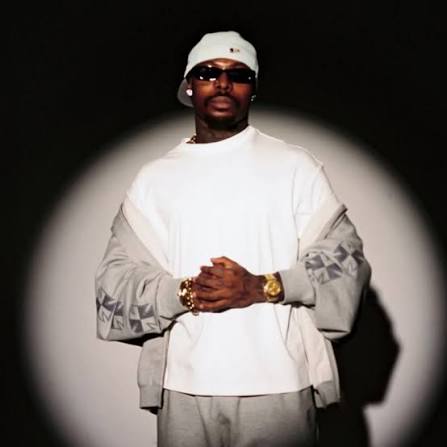
For Asake, the moment offered an illuminating counterpoint to the spectacle surrounding his In God We Trust World Tour. Three sold-out performances at one of London’s most prominent live music venues constitute a significant commercial achievement. But the tears during “Gratitude” suggested something less quantifiable, the relationship between an artist’s music and the experiences listeners bring to it.
Asake’s October performance landed with considerable anticipation. Following the tour’s North American dates, London had already been primed for the spectacle. Those who could not secure tickets followed the concert through social media, where footage from inside the venue extended the experience beyond its physical boundaries.
Inside, the setlist drew heavily on established favourites, including “Terminator,” “Joha,” “Palazzo” and “Why Love.” The appearance of fellow Nigerian artist Blaqbonez, rising through the stage floor before joining Asake for “Channel,” introduced another dimension to the performance. It was a moment of surprise that connected two distinct artistic personalities within the same cultural landscape.
The audience, meanwhile, was not simply watching. Creators Rybeena and TML Vibes were seen singing along, while Ghanaian actress Efia Odo received her own moment in the spotlight when Asake lifted her during “Skilful.” Elsewhere, fans captured the singer performing his trending dance moves, with “Ototo” drawing an especially strong reaction.
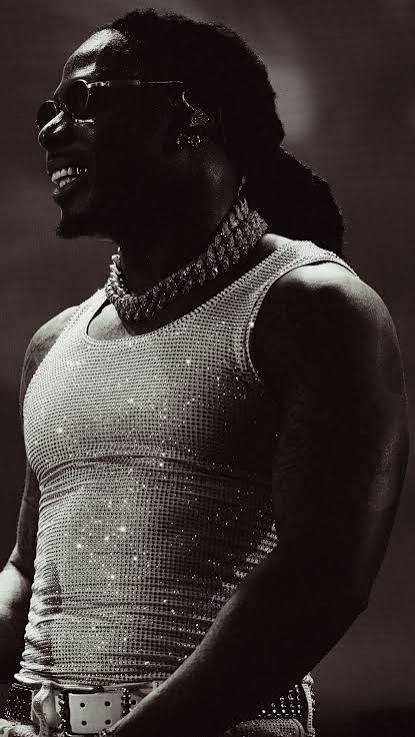
These moments matter because they reveal how contemporary African music travels. The concert is the central event, but its cultural life continues through the people who document it, reproduce its movements, share its most memorable exchanges and carry its songs into other spaces. A dance becomes a reference point. A performance becomes a circulating image. A song acquires new meaning through the people who sing it. Asake’s audience is therefore doing more than consuming his music. It is participating in the construction of his public identity.
The third O2 sellout has also intensified conversations about Asake’s position in global music. Some fans have begun comparing the scale of the response to the hysteria associated with Michael Jackson, with one social media user suggesting that audiences could eventually react to Asake’s performances with the same intensity that surrounded Jackson in the late 1980s.
Such comparisons are understandable in the aftermath of a concert that inspires this level of excitement, but they require perspective. Jackson’s legacy was built across decades, generations and an extraordinary transformation of popular music. A successful tour, however impressive, cannot independently establish equivalence with that history. What the comparison does reveal is the language fans reach for when an artist appears to exceed the boundaries of ordinary celebrity. They are searching for a reference point large enough to describe what they believe they are witnessing.
Asake does not need to be declared the next Michael Jackson for his achievement to deserve serious consideration. Three sold-out performances at the O2 provide their own evidence of his drawing power. The more interesting question is what that power represents for the international standing of contemporary Nigerian music.
The answer extends beyond one artist. African music’s global expansion has created opportunities for performers to build audiences in territories where their music once occupied a more limited space. Yet international recognition is not simply about reaching a new market. It is about establishing the conditions under which an artist can repeatedly return, attract an audience at scale and sustain a relationship with listeners who may encounter the music through entirely different cultural contexts. A third sellout suggests that Asake’s connection with London is no longer adequately described as a single successful appearance. It is a relationship being reinforced through repetition.
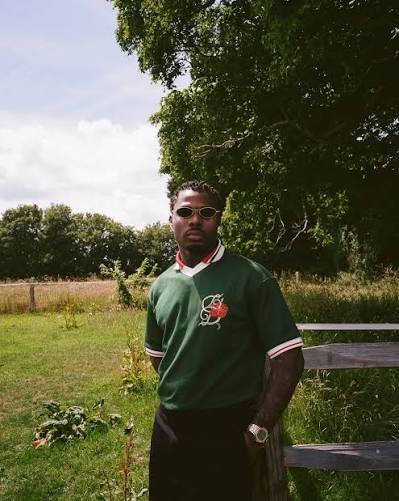
Asake’s current position also carries the weight of his development as an artist. His journey through Olamide’s YBNL label preceded the release of his debut album, Mr. Money With the Vibe, in 2022. He followed it with Work of Art in 2023 and Lungu Boy in 2024. Across those releases, Asake has developed a recognisable artistic identity, one that extends from his music into his stage presence and physical performance. His dancing has become a recurring feature of the online conversation surrounding his shows, giving audiences another way to identify with his work beyond the recordings themselves.
This relationship between sound, movement and personality is particularly relevant to the way music circulates today. An artist’s catalogue remains central, but the live performance creates additional material through which that catalogue can be experienced. A song heard through headphones becomes something else when thousands of people respond to it simultaneously. The audience’s reaction becomes part of the spectacle, and the spectacle creates further demand for the music.
It is a cycle that can accelerate an artist’s visibility, although visibility alone does not guarantee longevity. The greater challenge is sustaining the emotional connection that makes people return after the initial excitement has passed. The O2 performance offered several indications of that connection, from the audience’s response to “Ototo” to the collective energy surrounding the closing performance of “Gratitude.” These were different kinds of reactions, one rooted in immediate excitement, the other captured in a moment of personal emotion. Together, they demonstrated the range of experiences an artist can create within a single show.
The footage of the man crying deserves attention precisely because it resists the usual language of commercial success. A sold-out venue can be counted. Ticket demand can be measured. Social media engagement can be tracked. The reasons one person breaks down during a song are more difficult to establish from a video.
It would be easy to assign the moment a meaning that the footage cannot confirm. What can be said is that the reaction resonated with people beyond the arena, helping turn a private emotional response into part of the public story surrounding the concert.
That transformation speaks to the peculiar intimacy of live music in the digital age. Thousands of people may share the same room, but they do not necessarily share the same experience. Each listener brings a different history to the performance. A song can become a soundtrack to a personal victory, a difficult period, a relationship or a memory that has little to do with the artist’s own intentions. When those private associations meet in a public space, the result can be powerful. The performer supplies the music, but the audience supplies much of its meaning.
For an artist operating at Asake’s scale, this is one of the most consequential aspects of international success. The objective is not merely to make music that travels. It is to make music that becomes meaningful to people whose lives, circumstances and cultural references differ from the artist’s own. That is a more demanding measure of reach than the number of countries visited on a tour.
The In God We Trust World Tour continues, with London’s performance setting a formidable standard for the dates that follow. Its third O2 sellout strengthens the case for Asake as a major live performer, while the reaction to “Gratitude” offers a glimpse into the emotional relationship underpinning that success.
Still, the next phase of his career will require more than repeating a winning formula. Sustained influence depends on how an artist develops beyond the moments that first establish his reputation, how the music evolves and whether the audience remains invested as the cultural landscape changes around it.
For now, the London performance leaves two images in its wake, a packed arena responding to a star at the height of his drawing power, and a man unable to hold back his tears as the final song played. One captures the scale of Asake’s success. The other hints at what that success might mean.
The distinction matters because cultural power is not established by numbers alone. Numbers show how many people have gathered. The moments that follow tell us why they came, what they found and what they might carry away.
Asake had 20,000 people in the room. By the following morning, the story had travelled much further. The question was no longer simply whether he could fill the O2 Arena for a third time. It was how a Nigerian artist had built a connection strong enough to turn a London concert into an experience people beyond its walls wanted to witness. That is the more interesting story behind the sellout.


