

Dave’s Lagos Homecoming Was Bigger Than a Concert
When Dave stepped onto the stage at Lagos’ Wole Soyinka Centre for Culture and Creative Arts on October 16 and 17, he brought his The Boy Who Played the Harp tour to its final destination, closing a global run with his first headline performances in Nigeria.
Born David Orobosa Michael Omoregie, the British-Nigerian rapper arrived with a catalogue that has travelled well beyond the UK, but Lagos gave the occasion a different significance. This was not simply another international artist passing through an African city. It was a meeting between an artist whose Nigerian heritage informs his identity and a country whose music industry has become increasingly influential in shaping global popular culture.
The two sold-out nights demonstrated the appetite for major live performances in Nigeria, while raising a more consequential question, what happens when Africa becomes more than a source of musical inspiration and takes a central position in how international artists build their touring careers?
The most compelling evidence of that connection came through the Nigerian artists who shared the stage with Dave. On the opening night, BOJ joined him for “Lazarus,” bringing the collaboration into the room rather than leaving the audience to experience it through a recording.
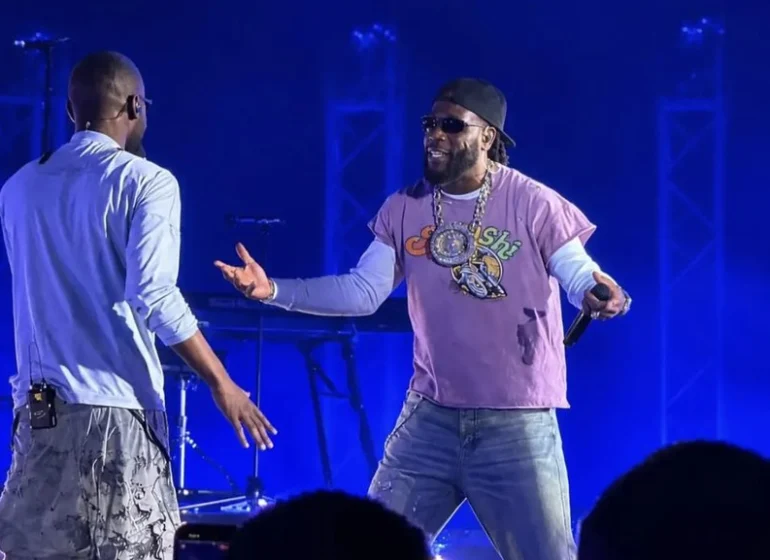
Zaylevelten, the emerging rapper from Ikorodu selected as a supporting act for both dates, performed songs including “Tease Me,” “1sa lOt” and “Guide Pass.” Dave later brought him back to perform “Fly,” giving a rising artist access to an audience assembled for one of British rap’s most recognisable contemporary voices. On the second night, Burna Boy joined Dave for “Location,” while Oxlade appeared for “Intoxycated.” These moments gave the concerts a distinctly Nigerian character, connecting Dave’s international catalogue to the artists and sounds that have shaped his relationship with African music.
Zaylevelten’s inclusion, in particular, points towards a more interesting conversation about how African music grows. International concerts often bring established local stars onstage for surprise appearances, generating excitement through recognisable names. Giving an emerging artist a place on the bill serves a different purpose. It introduces that artist to a new audience, creates an opportunity to demonstrate their abilities in a major production and places their work within a wider musical conversation.
When Dave returned to the stage with Zaylevelten for “Guide Pass,” the moment connected the headliner’s international following with the young rapper’s growing local audience. It offered a glimpse of what cross-generational and cross-market collaboration can accomplish when emerging talent receives more than a passing acknowledgement. The challenge for Nigeria’s music industry is to ensure that these opportunities lead to sustained discovery, stronger bookings and wider professional networks, rather than remaining memorable exceptions attached to a major star’s visit.
The choice of venue was equally significant. The concerts placed a major international touring production inside the National Theatre, now known as the Wole Soyinka Centre for Culture and Creative Arts, a landmark whose cultural importance extends beyond entertainment. Its use for Dave’s tour finale offered a practical demonstration of how a major public cultural facility could participate in the contemporary music economy.
Yet one successful event cannot, by itself, establish a venue as a dependable destination for international touring. Reports from the opening night noted congestion at entry points and shortcomings in the seating arrangements, reminders that demand must be matched by an audience experience that meets expectations. Nigeria’s potential to attract major performances will depend on the less glamorous details of live-event infrastructure, crowd management, sound, sightlines, transport, ticketing and consistent production standards. The opportunity is to turn a high-profile concert into a model for future events, creating work for local technicians, promoters and production crews while encouraging audiences to return.
Ultimately, Dave’s Lagos homecoming matters because it places several possibilities in the same frame, an international artist reconnecting with his heritage, established Nigerian musicians meeting him onstage, an emerging rapper receiving a valuable platform and a historic venue demonstrating its relevance to a changing industry.
His closing remarks also acknowledged the hardships facing Nigerians and thanked the fans who had made the effort to attend, recognising the economic realities that exist alongside the excitement of a major concert. For Nigeria, and for Africa’s wider music ecosystem, the next measure of success is not how many headlines a single performance generates. It is whether promoters build recurring opportunities for local artists, venues maintain the standards that touring productions require, and the commercial value of international shows reaches the people who make them possible.
Dave’s two nights in Lagos offered a compelling picture of what that future could look like. Building it will require more than star power, it will require an industry capable of turning cultural significance into lasting infrastructure, careers and opportunity.


